


Inside the vision for a Polo Stadium and Cultural Center near Wellington


Renderings of International Polo Tour's planned Polo Stadium and Educational & Cultural Center.
[Photos by International Polo Tour]
In a region synonymous with world-class equestrian sport, it takes something truly different to capture attention. For Tareq Salahi, chairman of the International Polo Tour, that “something” is not just another polo field—it’s an ambitious, purpose-built destination designed to redefine how the sport is played, watched and experienced.
At the heart of this vision is the Stadium and Educational & Cultural Center, anchored by a fully enclosed, all-weather stadium dedicated to arena polo, a format that, until now, has lacked a permanent, large-scale home.
“This will be an international arena polo stadium,” Salahi explains. “It’s covered, climate-controlled and there’s nothing like it in the equestrian world, especially in this region.”
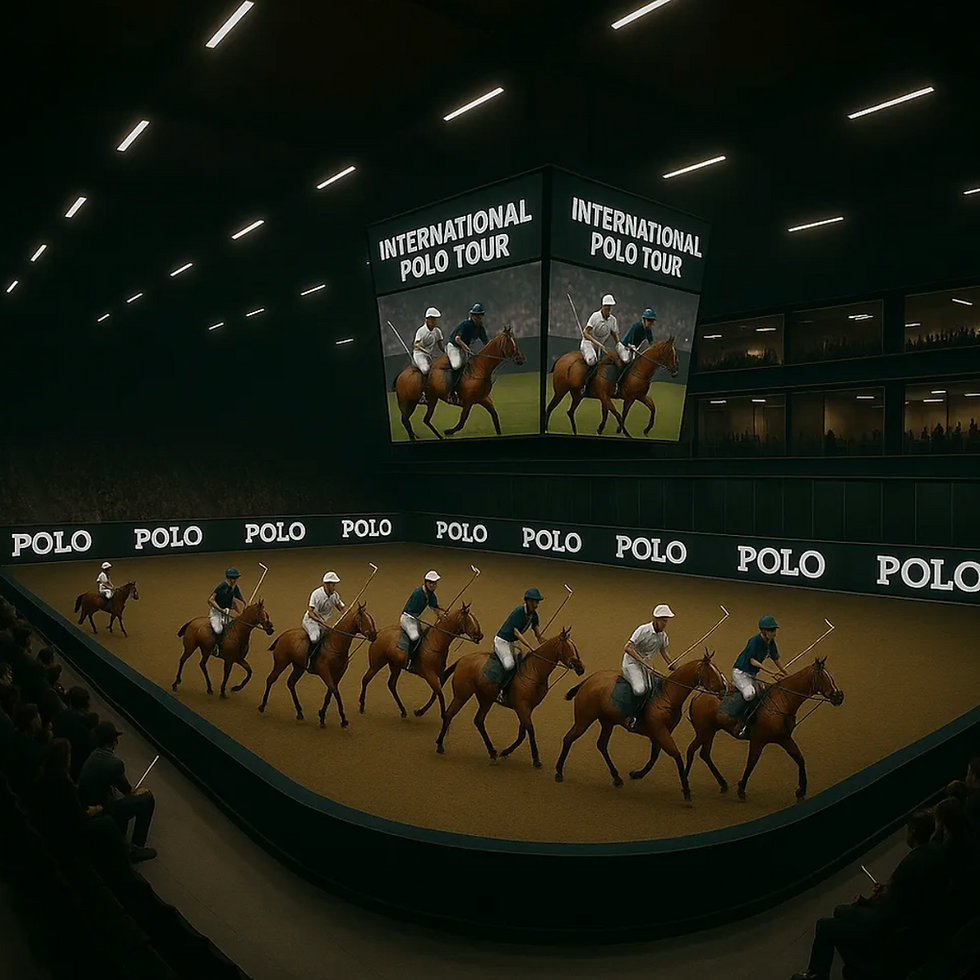
Unlike traditional grass polo fields, the arena format offers consistency, predictability and year-round usability—no rain delays, no weather disruptions.
The stadium will be located just outside Wellington in Palm Beach County, a deliberate choice driven by the scale of the project. With seating for 7,000 to 8,000 guests and the ability to expand to 15,000 for concert-style events, the venue demands a site that balances accessibility with capacity.
Equally notable, the project is not being financed in the traditional sense. Instead, it is backed by major sponsors in the luxury travel and tourism sector, including a soon-to-be-announced naming rights partner.

Though polo is the centerpiece, the stadium is designed as a multi-use venue expected to host more than 200 events annually, including non-equestrian sporting events, charity matches and entertainment programming.
And rather than competing with Wellington’s established venues, Salahi sees the stadium as a complement.
“This is an extension of what already exists,” he explains. “Polo is growing—especially on the women’s side—and there’s a need for more capacity and more versatility.”
The arena could also serve as a backup venue during weather-related disruptions at outdoor fields, reinforcing its role as a supportive partner within the broader equestrian ecosystem.
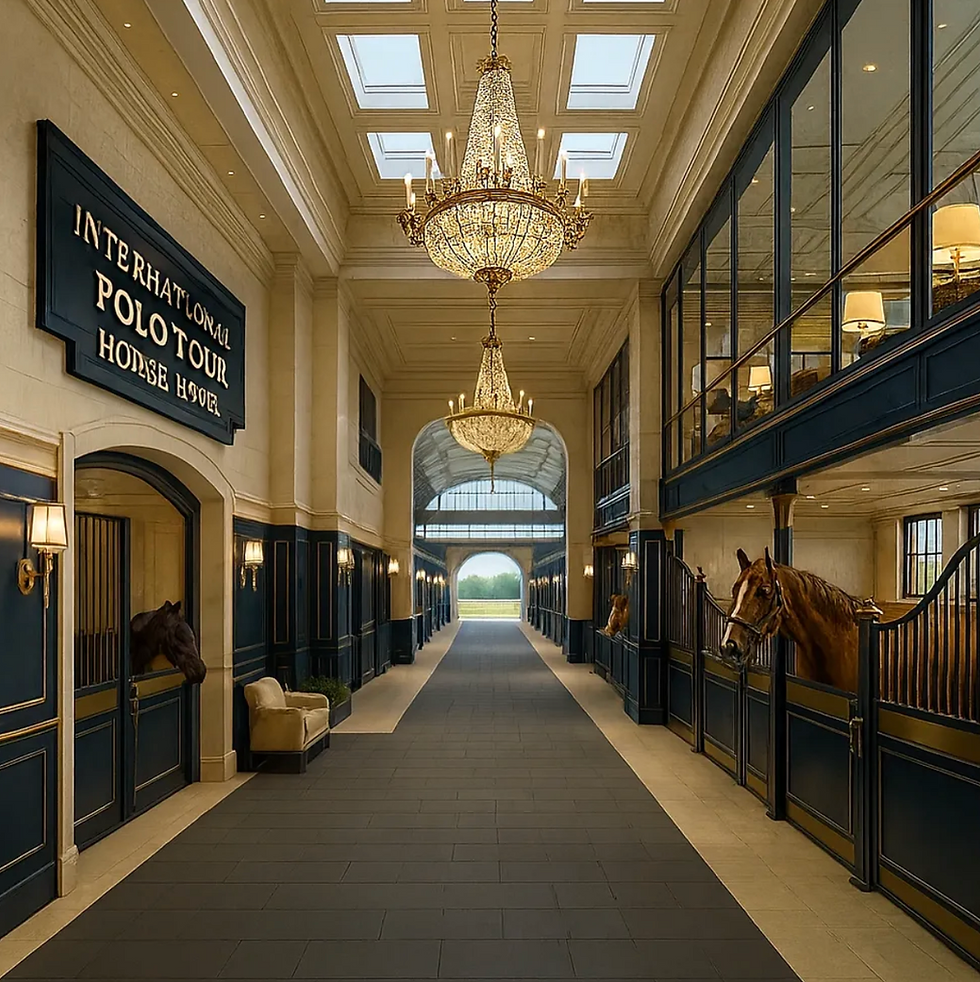
As for economic impact, the stadium will create hundreds of full-time jobs across executive, operational and vendor roles, while also generating significant economic activity through tourism and events. Though specific figures remain part of an internal study, the long-term employment and regional impact are expected to be substantial.
Sensitivity to local concerns, especially around development and green space, has shaped the project’s approach.
“We know how important preservation is,” Salahi says. “That’s why we’re locating in a commercially zoned area with existing infrastructure. We’re not reinventing the wheel—we’re building where this kind of activity is already happening.”

Traffic, often a major concern for large developments, is expected to be manageable due to the site’s proximity to established transportation corridors.
With a projected cost of up to $300 million, the stadium is being designed as an immersive experience, not just a place to watch a match. Features will include transparent display technology replacing traditional jumbotrons, AI-powered fan experiences, simulated polo activities for children and premium suites with integrated sponsor elements.
The project is holding firm to its timeline, a grand opening on New Year’s Eve 2030, followed by the 2031 winter polo season.
Saturday night arena matches, weekday tournaments and a full calendar of events will mark the beginning of a new chapter, not just for the International Polo Tour, but for the sport itself.
After seven years of study and planning, Salahi is confident the demand is there.
“This isn’t just a stadium,” he says. “It’s an experience. It’s something the sport and the community needs.”




Comments